

Glamping, a blend of "glamorous" and "camping," has gained immense popularity in recent years. It offers a luxurious camping experience, allowing individuals to enjoy the beauty of nature without sacrificing comfort. One essential element of a glamping setup is a wood stove, which provides warmth and a cozy ambiance. However, preventing a Glamping Wood Stove from overheating is crucial for safety and optimal performance. As a leading Glamping Wood Stove supplier, I'd like to share some valuable insights on how to achieve this.
Understanding the Risks of Overheating
Before delving into prevention methods, it's important to understand the potential risks associated with an overheating wood stove. Excessive heat can cause damage to the stove itself, leading to cracks, warping, or even structural failure. This not only shortens the lifespan of the stove but also poses a significant safety hazard. Overheating can also increase the risk of a fire, as it may cause nearby combustible materials to ignite. Additionally, an overheated stove can make the glamping space uncomfortably hot, reducing the overall enjoyment of the experience.

Choose the Right Stove
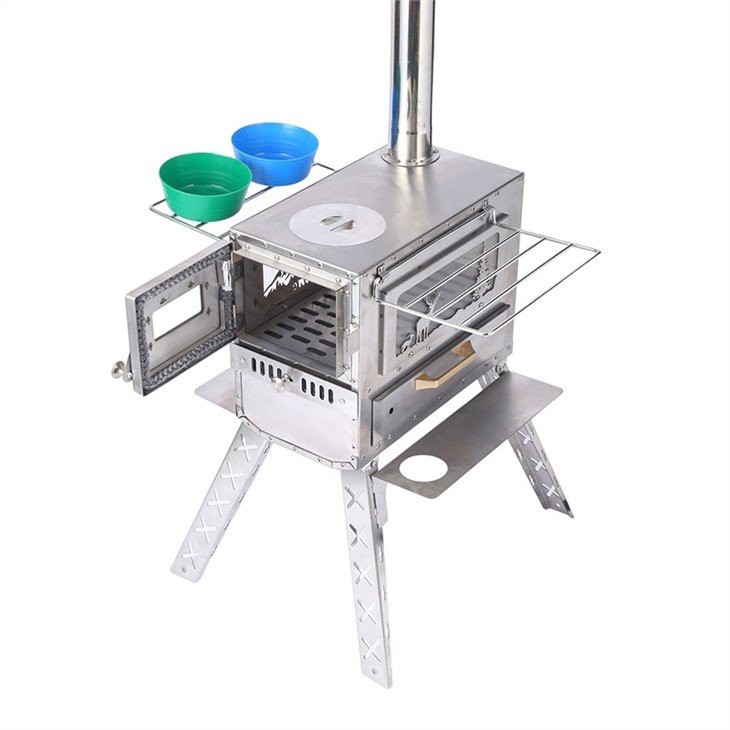
The first step in preventing overheating is to select the appropriate Glamping Wood Stove for your needs. Consider the size of your glamping area and the amount of heat required. A stove that is too large for the space may generate more heat than necessary, leading to overheating. On the other hand, a stove that is too small may struggle to maintain a comfortable temperature, causing you to add more wood and potentially overheat the stove.
Our Glamping Wood Stove is designed with efficiency and safety in mind. It comes in various sizes to accommodate different glamping setups, ensuring that you can find the perfect fit for your needs. The stoves are made from high-quality materials that can withstand high temperatures and are built to last.
Proper Installation
Proper installation is crucial for the safe and efficient operation of a wood stove. Ensure that the stove is installed on a non-combustible surface, such as a fireproof hearth or a metal plate. This helps to prevent heat transfer to the floor and reduces the risk of a fire. Leave sufficient clearance around the stove to allow for proper ventilation and to prevent contact with combustible materials.
Follow the manufacturer's instructions carefully when installing the chimney. A properly installed chimney is essential for removing smoke and gases from the stove and maintaining proper draft. Our Portable Wood Stove with Chimney comes with detailed installation guidelines to ensure that you can set it up correctly and safely.
Use the Right Fuel
The type of fuel you use can have a significant impact on the performance and safety of your wood stove. Use only dry, seasoned wood with a low moisture content. Wet or green wood burns inefficiently, producing more smoke and creosote, which can clog the chimney and increase the risk of a chimney fire. It also generates less heat, causing you to add more wood and potentially overheat the stove.
Avoid using treated wood, plywood, or other artificial materials as fuel, as they can release harmful chemicals when burned. Our stoves are designed to burn wood efficiently, providing a clean and consistent heat source.
Control the Airflow
Controlling the airflow is one of the most effective ways to prevent a wood stove from overheating. Most wood stoves have adjustable air vents that allow you to regulate the amount of oxygen entering the firebox. By adjusting the airflow, you can control the rate of combustion and the amount of heat generated.
When starting a fire, open the air vents fully to allow for a strong draft and quick ignition. Once the fire is established, gradually close the vents to reduce the airflow and slow down the combustion process. This helps to maintain a steady, controlled burn and prevents the stove from overheating.
Monitor the Temperature
Regularly monitoring the temperature of your wood stove is essential for preventing overheating. Most stoves come with a built-in thermometer or a temperature gauge that allows you to keep track of the stove's temperature. Keep an eye on the temperature and adjust the airflow or the amount of wood you add to the fire accordingly.
If the temperature of the stove starts to rise too high, reduce the airflow and avoid adding more wood until the temperature drops. Never leave a wood stove unattended, especially when it is burning at a high temperature.
Perform Regular Maintenance
Regular maintenance is crucial for the safe and efficient operation of a wood stove. Clean the stove and the chimney regularly to remove any creosote buildup, which can increase the risk of a chimney fire. Inspect the stove for any signs of damage or wear, such as cracks, loose joints, or rust. Replace any damaged parts immediately to ensure the continued safety and performance of the stove.
Our Winter Camping Wood Stove is designed for easy maintenance. It has a removable ash pan and a clean-out door, making it easy to clean the stove and remove any debris.
Have a Fire Extinguisher on Hand
In case of an emergency, it's important to have a fire extinguisher on hand. Make sure the fire extinguisher is rated for use on wood fires and is easily accessible. Familiarize yourself with how to use the fire extinguisher before you need it.
Conclusion
Preventing a Glamping Wood Stove from overheating is essential for safety and optimal performance. By choosing the right stove, installing it properly, using the right fuel, controlling the airflow, monitoring the temperature, performing regular maintenance, and having a fire extinguisher on hand, you can enjoy a warm and cozy glamping experience without any worries.
As a trusted Glamping Wood Stove supplier, we are committed to providing high-quality stoves and excellent customer service. If you have any questions or need further assistance, please don't hesitate to contact us for procurement and negotiation. We look forward to helping you find the perfect wood stove for your glamping needs.
References
- "Wood Stove Safety Tips." U.S. Fire Administration.
- "How to Use a Wood Stove Safely." Consumer Reports.
- "Proper Installation and Maintenance of Wood Stoves." National Fire Protection Association.
